
Drywall Texturing in Central Missouri
SErving Jefferson City, Lake of the Ozarks, Sedalia, and All of Central Missouri
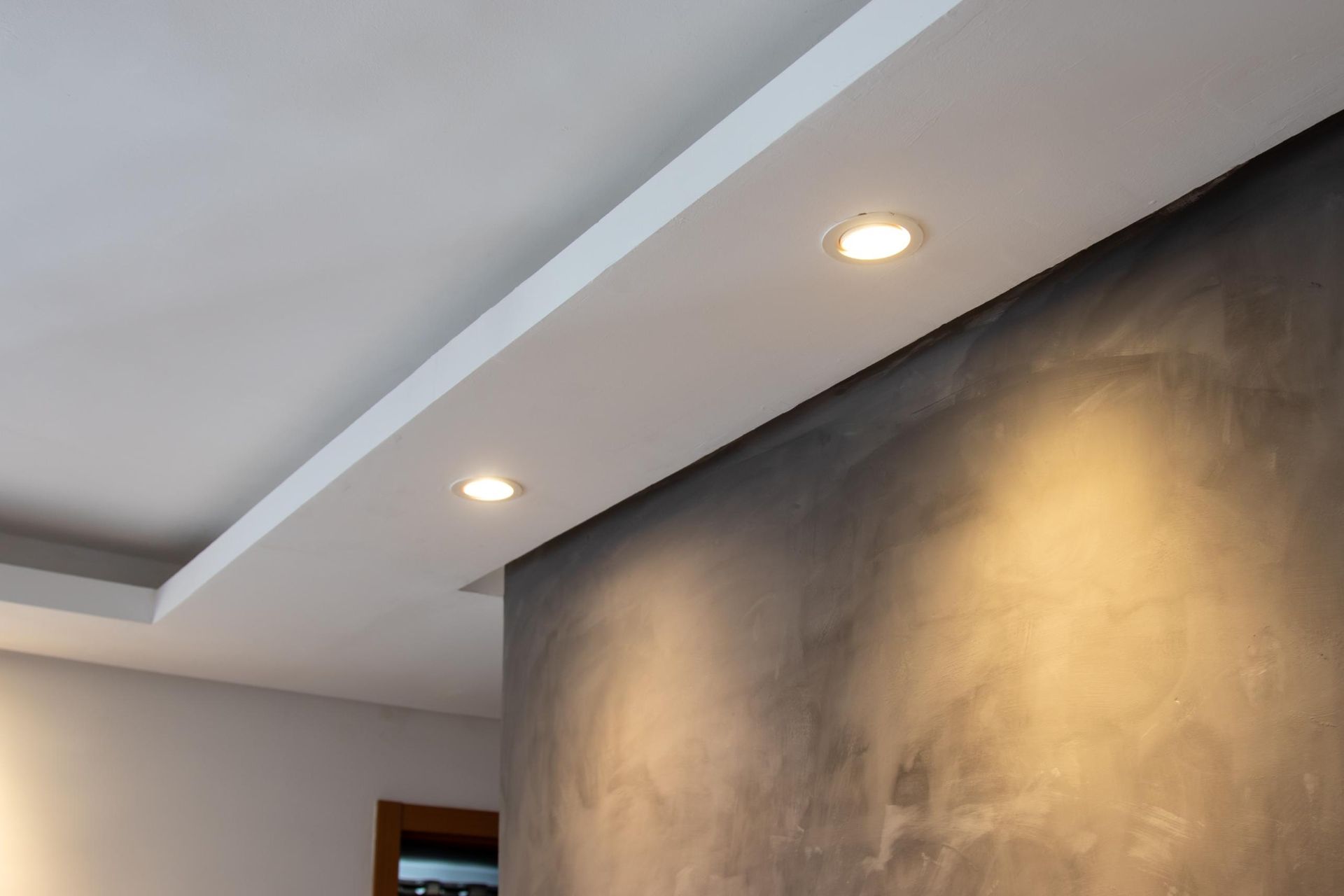
Texture changes how a room looks and feels. It softens light, adds depth, and hides small irregularities that a perfectly smooth wall would show. Rambo Drywall provides drywall texturing in Central Missouri, applying new texture to walls and ceilings and updating textures that are already there.
Whether a room is brand new or decades old, texture is usually the last drywall step before primer and paint.
Common Wall and Ceiling Textures
A handful of patterns cover most of what you see in homes and businesses.
- Orange peel: a fine, bumpy spray finish that resembles the skin of an orange, common on walls.
- Knockdown: compound sprayed or splattered on, then flattened lightly with a knife once it starts to set, leaving a mottled look.
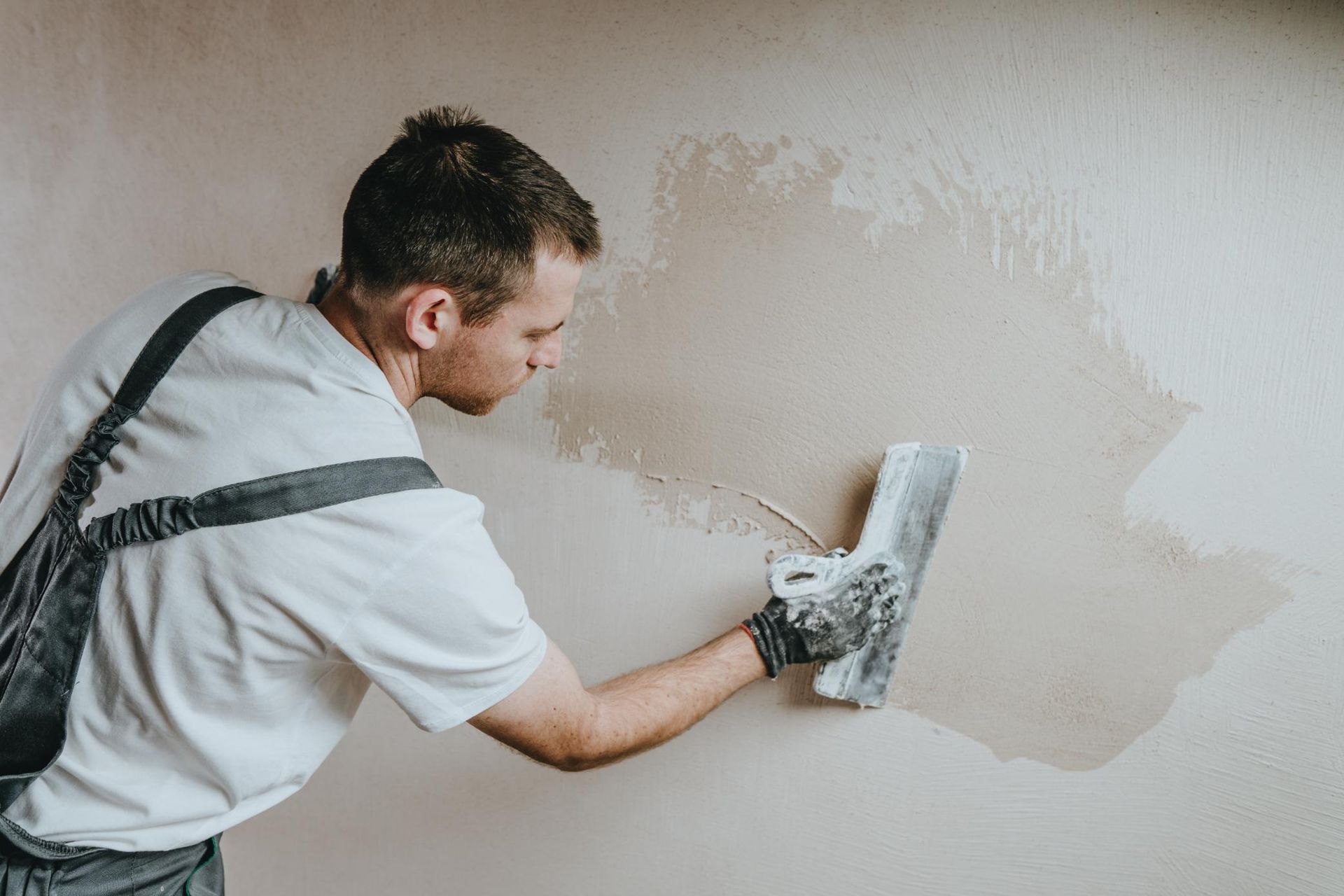
- Skip trowel: compound applied by hand with a trowel in random strokes, giving a handmade, plaster-like surface.
- Popcorn or acoustic: a thick, bumpy ceiling texture found in many older homes.
Each texture has its own character. The right choice depends on the look you want, how much light the room gets, and what the rest of the building already has.
Applying New Texture
On new construction or a fully refinished room, texture goes on over drywall that has already been taped, mudded, and sanded. The surface underneath still needs to be sound. Texture can hide minor variation, but a poorly finished seam or a bulging joint will still show through. That is why careful taping and finishing comes first, even on walls that will end up textured.
Consistency across a room matters more than any single section. The spray pattern, the timing of a knockdown pass, and the amount of compound all need to stay even from one wall to the next so the finish looks uniform.
Updating an Existing Texture
Updating can mean refreshing a worn or damaged finish, changing from one texture to another, or covering a dated pattern. A heavy ceiling texture can make a room feel lower and darker. A lighter wall texture can make a space feel cleaner and more current.
Matching is its own skill. After a patch, a new section has to blend with texture that may be twenty years old. Pattern size, spacing, and height all have to line up with what surrounds it. When texture work follows
a patched crack, hole, or water-damaged area, matching is what makes the repair invisible.
Texture in Homes and Commercial Spaces
Texture serves different purposes depending on the building. In homes, it is often about style and about hiding the small imperfections of everyday walls. In commercial interiors, it tends to favor a durable, consistent finish across long walls and large ceilings. Rambo Drywall applies and updates texture for both residential and commercial customers. The Rambo Drywall
homepage covers the rest of the drywall work the business does.
Texturing Services in Central Missouri
Rambo Drywall is located in Clarksburg and applies texture to walls and ceilings in Jefferson City, Lake of the Ozarks, Sedalia, and all of Central Missouri
Drywall Texturing FAQ
Can a new texture be applied over an existing one?
Often, yes. The existing surface needs to be clean, firmly attached, and free of loose material. Heavy or uneven textures sometimes need to be knocked down or skim coated first so the new pattern sits on a consistent base.
Does textured drywall still need to be primed?
Yes. Primer seals the compound so paint absorbs evenly. Without it, the texture can look blotchy, and the finish paint may show dull and shiny areas across the wall or ceiling.
Is there a concern with older popcorn ceilings?
Popcorn and acoustic ceilings applied before the 1980s may contain asbestos. Before any older textured ceiling is scraped, sanded, or disturbed, a sample should be tested by a qualified lab.
Can texture be matched after a drywall repair?
In most cases, yes. Matching means reproducing the size, spacing, and height of the existing pattern, then blending the edges into the surrounding surface. Once painted, a well-matched patch should be hard to spot.