Drywall Installation in Central MIssouri
SErving Jefferson City, Lake of the Ozarks, Sedalia, and All of Central Missouri
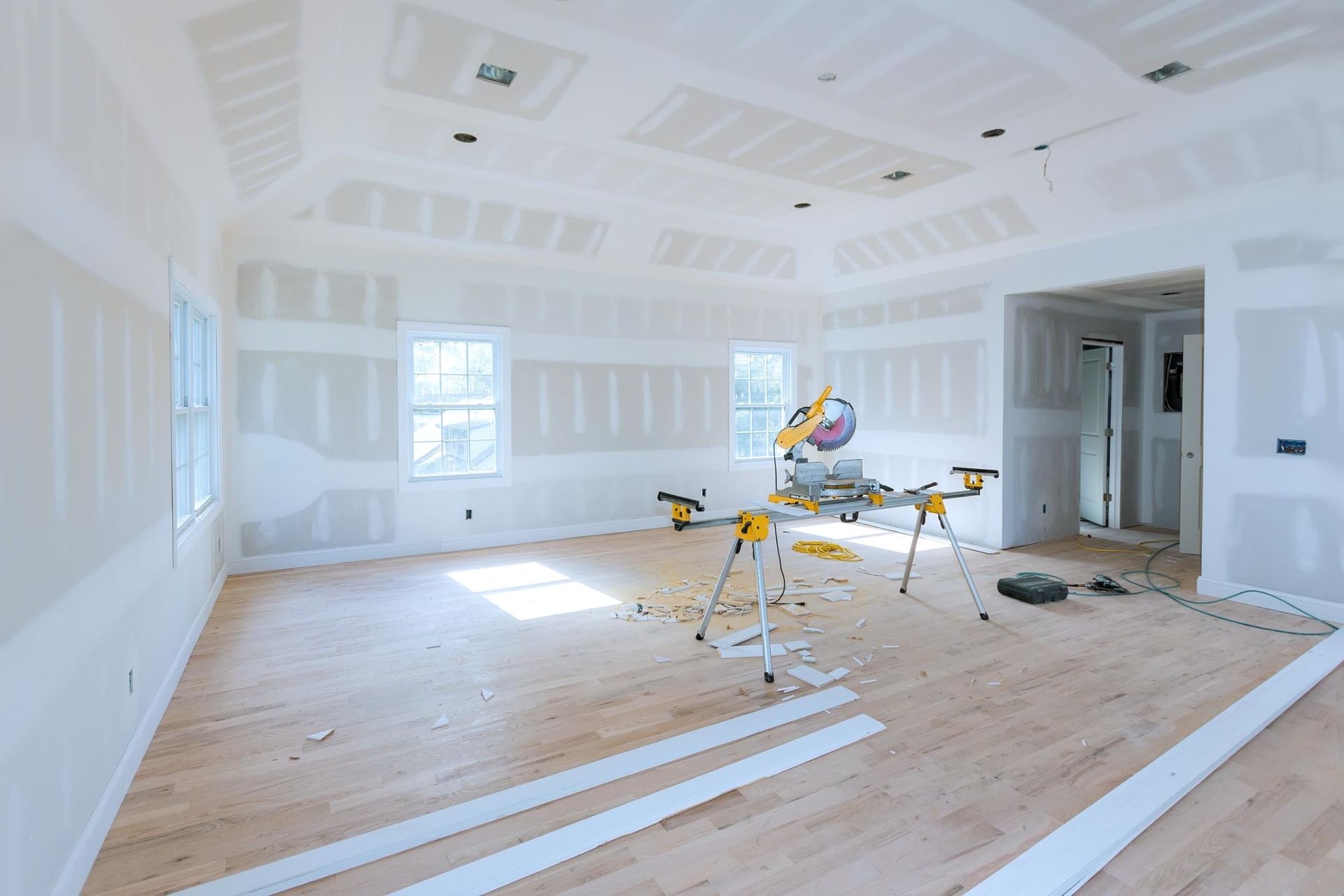
Once the framing is up and the wiring and plumbing are roughed in, a room is still a skeleton of studs and joists. Hanging drywall is the step that turns it into walls and ceilings. Rambo Drywall provides drywall installation in Central Missouri for residential and commercial builds, putting new panels on bare framing so the space is ready to be finished.
Hanging may look like the fast, simple part of the job. In practice it decides how the rest goes. Where the seams fall, how the sheets meet at corners, and how firmly each panel is fastened all show up later, in the finishing and again in the painted wall.
What the Job Includes
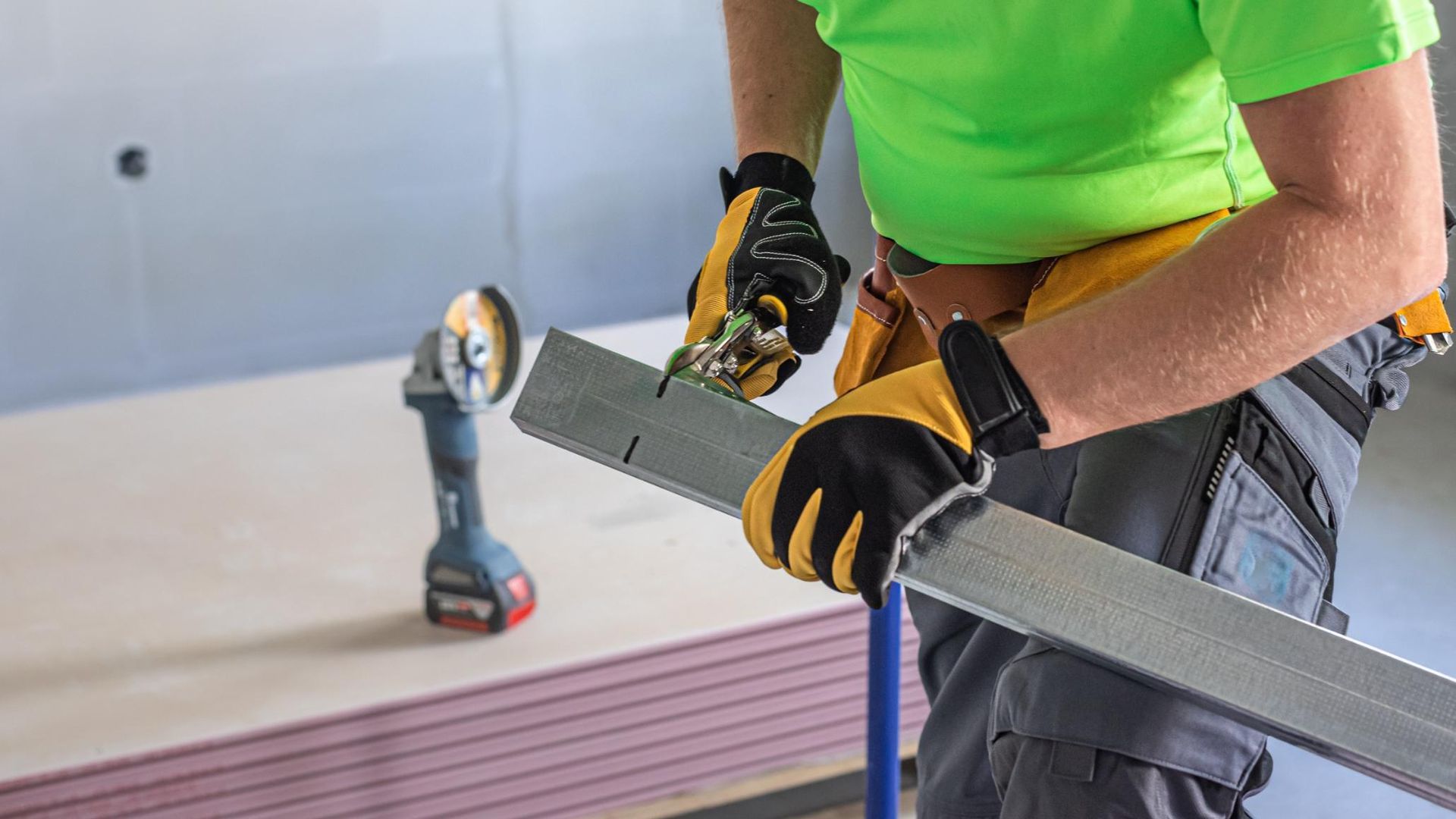
Installation covers getting new board onto the framing: measuring, cutting, and fastening panels to walls and ceilings. Cutouts go around outlets, switch boxes, windows, doors, and fixtures. Ceilings usually go up first, so the wall sheets below can support their edges.
Layout is where much of the skill lies. Fewer seams mean less tape and compound and fewer places for a joint to show. Staggering the joints from one row to the next keeps a long seam from running straight up a wall. Placing butt ends away from the middle of a wall, where they are hardest to hide, makes the finisher's work easier and the result cleaner.
Matching the Board to the Room
Not every room takes the same panel. Standard gypsum board covers most living spaces. Rooms with steady humidity, such as bathrooms and laundry areas, generally call for moisture-resistant board. Garages and other spaces with fire-separation requirements often need fire-rated board. Behind tile in a shower or tub surround, a cement-based backer is the usual choice rather than drywall.
Thickness matters too. Ceilings carry their own weight overhead, and joist spacing affects how stiff a sheet needs to be to stay flat. Talking through the room's use before the board is ordered avoids tearing out panels later.
Residential Projects
On a house, new drywall usually comes with a change: an addition, a remodel, a finished basement, or a room opened back up after other work. The space is often lived in while the project goes on, so keeping the work area contained and the rest of the house usable matters.
Commercial Projects
On a commercial build, drywall sits in the middle of a longer schedule. Framing, electrical, plumbing, and mechanical rough-in come before it, and finishing, paint, and flooring follow. The panels need to be up when the next trade is ready to start.
What Comes After the Panels Are Hung
Fresh drywall is not a finished wall. Every seam and fastener is still visible. The next step is taping, mudding, and sanding the new board until the surface is smooth and paint-ready. After that, many rooms get a wall or ceiling texture applied before paint.
Because one crew can carry a room through all of these stages, nothing gets lost in a handoff. The layout decisions made while hanging are made with the finishing already in mind. You can see the full range of work on the Rambo Drywall home page.
Installation In Central Missouri
Rambo Drywall
is based in Clarksburg and hangs drywall for projects in Jefferson City, Lake of the Ozarks, Sedalia, and All of Central Missouri. If your build is in the area, call to talk it over.
Drywall Installation FAQ
What thickness of drywall is used on walls and ceilings?
Half-inch board is common on interior walls. Ceilings, especially where joists are spaced farther apart, and walls that need a fire rating often use 5/8-inch board, which is stiffer and resists sagging. The right choice depends on the framing and how the room will be used.
Should drywall go up before or after electrical and plumbing work?
After. Wiring, plumbing, ductwork, and any insulation should be in place, and any required inspections of that work should be done, before panels close up the walls. Once board is hung, getting back into the wall means cutting it open.
What kind of drywall goes in a bathroom?
Moisture-resistant board is the usual choice for bathroom walls and ceilings outside the wet zone. Inside a shower or behind a tub surround that will be tiled, a cement-based backer board is generally used instead, since standard and moisture-resistant drywall are not made for direct water exposure.
Can new drywall be painted as soon as it is hung?
No. Newly hung board still has open seams and visible fastener heads. It needs tape over the joints, several coats of joint compound, and sanding between coats before primer and paint go on.
Title or Question
Yes. Rambo Drywall hangs new panels for both residential and commercial builds. The process is the same for both: measure, cut, fasten, and lay the sheets out so the seams finish cleanly.